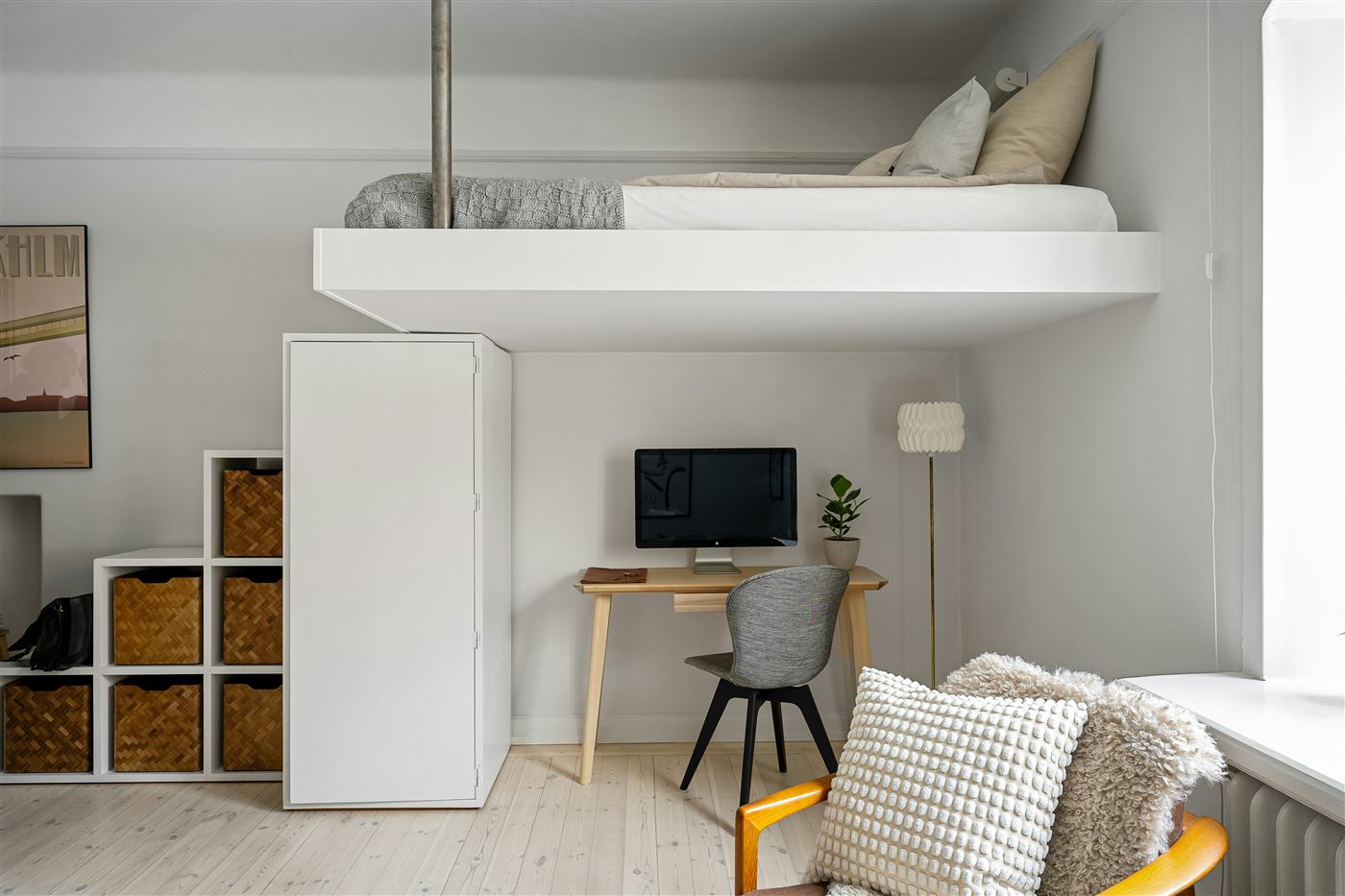
When your home is small, the problem is rarely a lack of things to store. It is a lack of floor space to put furniture on. This guide walks through ways to find storage in places you may not be using yet: the walls, the space under your bed, and the back of your doors. It also covers what to check before you buy anything, so the storage you choose actually fits.
Before you buy: measure your space
Most storage mistakes come from size. A few measurements taken before you shop can save you a return.
- Wall width and height where you want shelves or hooks, including any light switches or outlets in the way.
- Door thickness and the gap above the door if you are looking at over-the-door organizers. Some doors close tightly against the frame.
- The clearance under your bed, measured from the floor to the lowest part of the bed frame.
- Room to open things. Leave space for doors, drawers and lids to open fully once storage is in place.
Use vertical space
If the floor is full, look up. Walls often have more unused area than any other part of a small room.
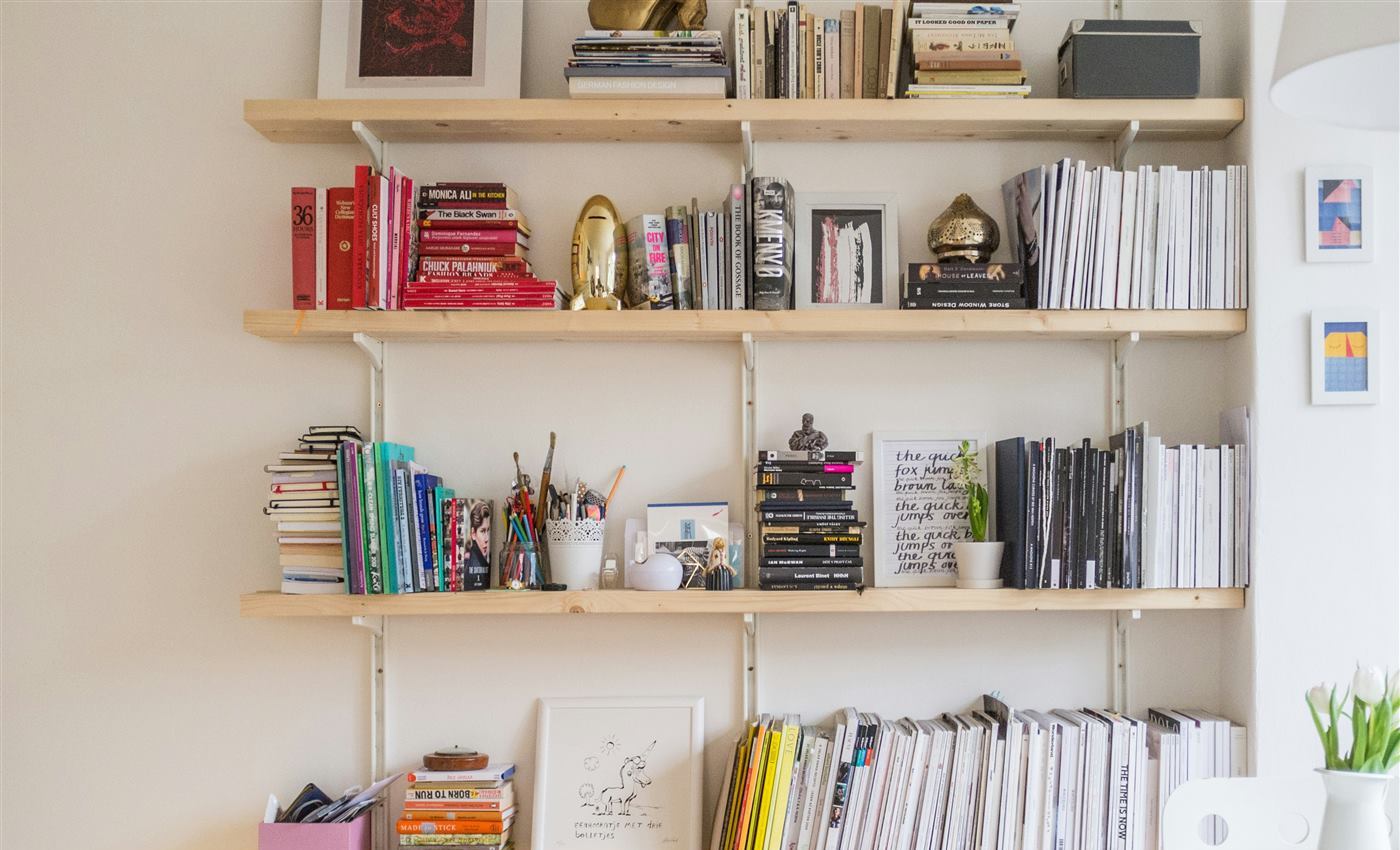
- Shelves above a desk, a door frame or a toilet can hold items you use every week.
- Hooks and rails keep bags, coats and kitchen tools off counters and chairs.
- Tall, narrow shelving units use height instead of width.
Keep heavier items low and lighter items high, and check how much weight a shelf or hook is rated to hold before loading it.
Use the space under the bed
The area under a bed is one of the largest hidden storage spaces in a small home. It suits things you do not need every day, such as seasonal clothes, spare bedding or shoes.
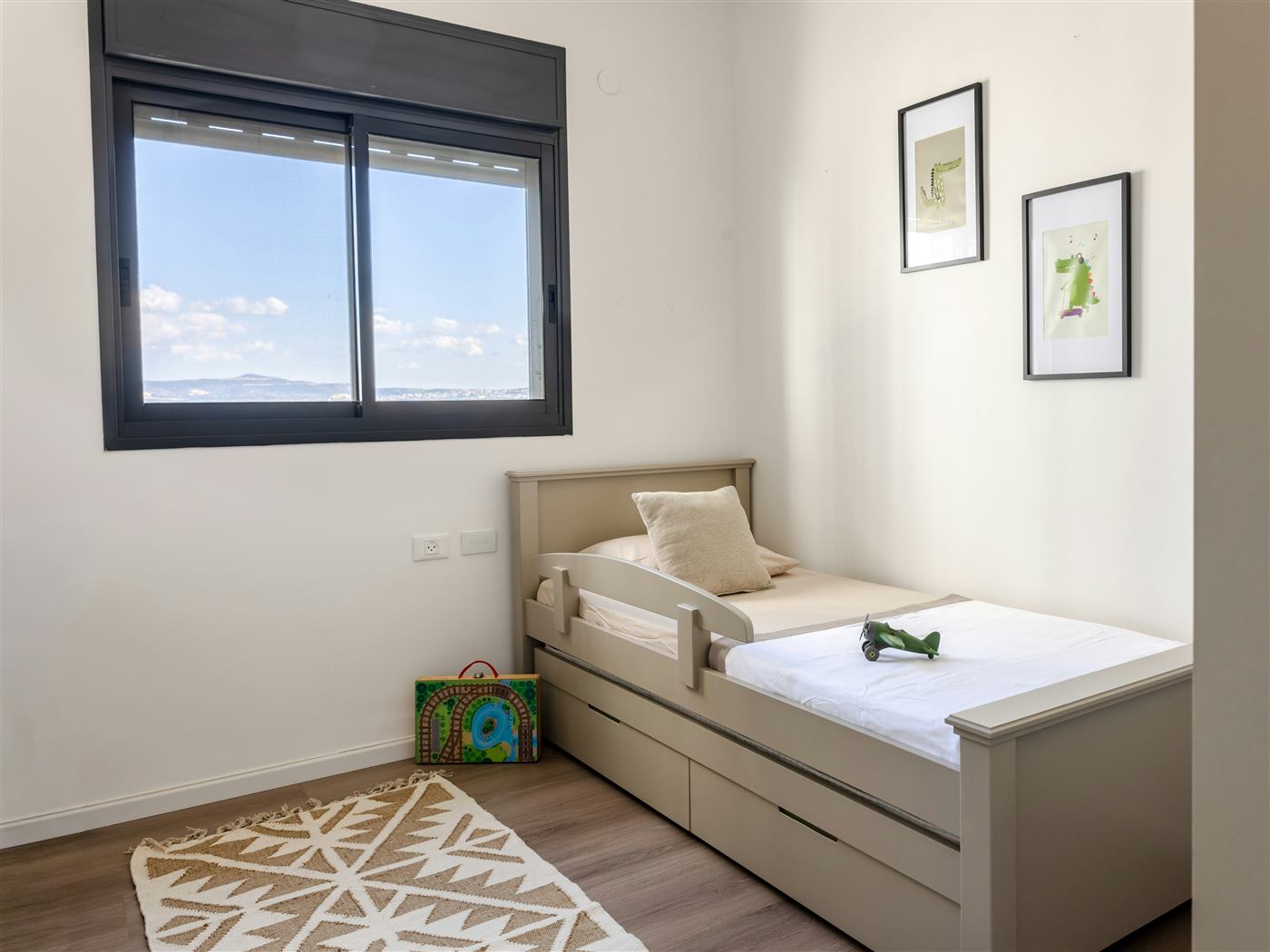
- Choose containers that are lower than your measured clearance, so they slide in and out easily.
- Lidded or zippered containers help keep dust off what you store.
- If your bed sits too low, bed risers or a bed frame with more clearance are options, but check that they fit your frame and floor.
Use the back of doors
The back of a bedroom, closet or bathroom door is space that usually goes unused. Over-the-door organizers hang on the top of the door, so many of them can be used without drilling.
- Pocket organizers work well for small items like toiletries, cleaning supplies or accessories.
- Over-the-door hooks are useful for towels, robes and bags.
- Check that the door still closes fully once the organizer is in place.
Renter-friendly options
If you rent, you may not be allowed to drill into walls. Options that do not need tools include free-standing shelving, over-the-door organizers, tension rods, and under-bed containers. Adhesive hooks are another option, but how they behave on your walls and how cleanly they come off depends on the product and the surface. Read the manufacturer's instructions, and check your lease before making any change to the walls.
Quick comparison
| Idea | Best for | Things to check |
|---|---|---|
| Wall shelves and hooks | Items you use often | Weight rating, wall type, whether drilling is allowed |
| Tall, narrow shelving | Rooms with little floor width | Height and depth, stability |
| Under-bed containers | Seasonal or spare items | Bed clearance, container height |
| Over-the-door organizers | Small items, towels, bags | Door thickness, gap above the door, door still closing |
| Tension rods | Inside cabinets, closets or alcoves | Width range, how much weight they hold |
Things to keep in mind
- Check weight ratings and follow the manufacturer's instructions.
- Make sure storage does not block doors, windows, vents or walkways.
- Before buying, check the size listed on the product page against your measurements, and check the return policy.
- It often helps to clear out what you no longer use before adding more storage.
Last updated: October 6, 2026
Photos: Lisa Anna, Vladimir Mokry and Shoham Avisrur on Unsplash